

Why Most Commercial Dog Treats Fail Sensitive Dogs
If your dog's stomach protests at every new snack, you're not alone. Sensitive dogs need real food, not mystery ingredients disguised in shiny packaging. We created Jack's Premium treats specifically for pet parents who refuse to compromise on what goes into their dog's body.
Mass-market treats are engineered for shelf life and profit margins, not digestive health. Most contain by-products, grain fillers, and binding agents that can trigger itching, upset stomachs, and dull coats. Your sensitive pup's body is essentially saying "I don't recognize this as food."
The culprit often hides behind vague labels like "meat meal" or "animal by-products"—rendering of low-quality proteins that manufacturers won't name specifically. When you can't pronounce an ingredient, your dog probably can't digest it either. We've seen countless dogs thrive once their owners switched away from these conventional options.
Start by reading the ingredient list backwards. If the first five items aren't recognizable whole foods, that treat wasn't designed with sensitive dogs in mind.
Understanding What Makes a Treat Truly Minimally Processed
Minimally processed means the ingredient went from its natural state to your dog's bowl with as few steps as possible. No rendered mystery meat. No chemical preservatives. No heat treatments that destroy nutrients.
The difference shows up in your dog's energy, coat quality, and digestion. A minimally processed chicken treat is air-dried chicken—that's it. Compare that to a kibble-based biscuit made from poultry by-products, wheat flour, and synthetic vitamins, and you'll see why your sensitive dog responds so differently.
We measure processing by asking: Could a dog's ancestor recognize this food? If the answer is yes, we're on the right track.
The Problem With Artificial Fillers and Seed Oils in Pet Food
Seed oils (soybean, canola, sunflower) are cheap fillers that create inflammation in sensitive dogs. They're high in omega-6 fatty acids, which can aggravate skin conditions, joint stiffness, and digestive upset when they dominate the diet. Manufacturers use them because they extend shelf life and cost pennies per batch.
Artificial fillers like corn, soy, and wheat act as bulk without nutritional value. They're just cheap carbohydrate padding designed to make treats feel substantial. For a sensitive dog, these ingredients often trigger the exact symptoms their owners are trying to avoid.
We formulate our treats with seed oils in pet nutrition completely removed. No corn, no soy, no mystery oils. Instead, we rely on the natural fats found in whole, named proteins.
Check your current treat bag right now. If soybean oil or corn appears in the first ten ingredients, consider it a red flag for your sensitive dog.
How We Source and Handcraft Our Sensitive-Dog Treats in Texas

Our entire operation is built around one belief: you deserve to know exactly where your dog's food comes from. We handmake our treats in Texas using ingredients we've personally vetted with our suppliers.
Sourcing starts with relationships. We work with ranches and farms we trust, not commodity brokers. Our beef comes from sustainably raised cattle. Our chicken comes from farms where we can track the birds' feed and living conditions. This level of transparency costs more, but your sensitive dog's health is worth it.
Our handmade process means small batches, consistent quality, and the ability to catch problems immediately. We're not running 24/7 industrial lines where a contamination issue goes unnoticed. Our team handles each batch with the same care we'd give our own pets.
When you order from us, you're supporting American manufacturing and farmers who prioritize animal welfare over speed and volume.
Our Single-Ingredient Philosophy: Real Food, Nothing Hidden
Single-ingredient treats remove all guesswork. A single-ingredient chicken neck is freeze-dried chicken—that's the complete ingredient list. No binders, no flavorings, no mystery components waiting to upset your dog's stomach.
This approach forces us to source exceptional raw materials because we can't hide poor quality behind seasoning or fillers. If we're selling a freeze-dried beef heart, that beef heart has to be perfect. Your sensitive dog's digestive system will notice immediately if it isn't.
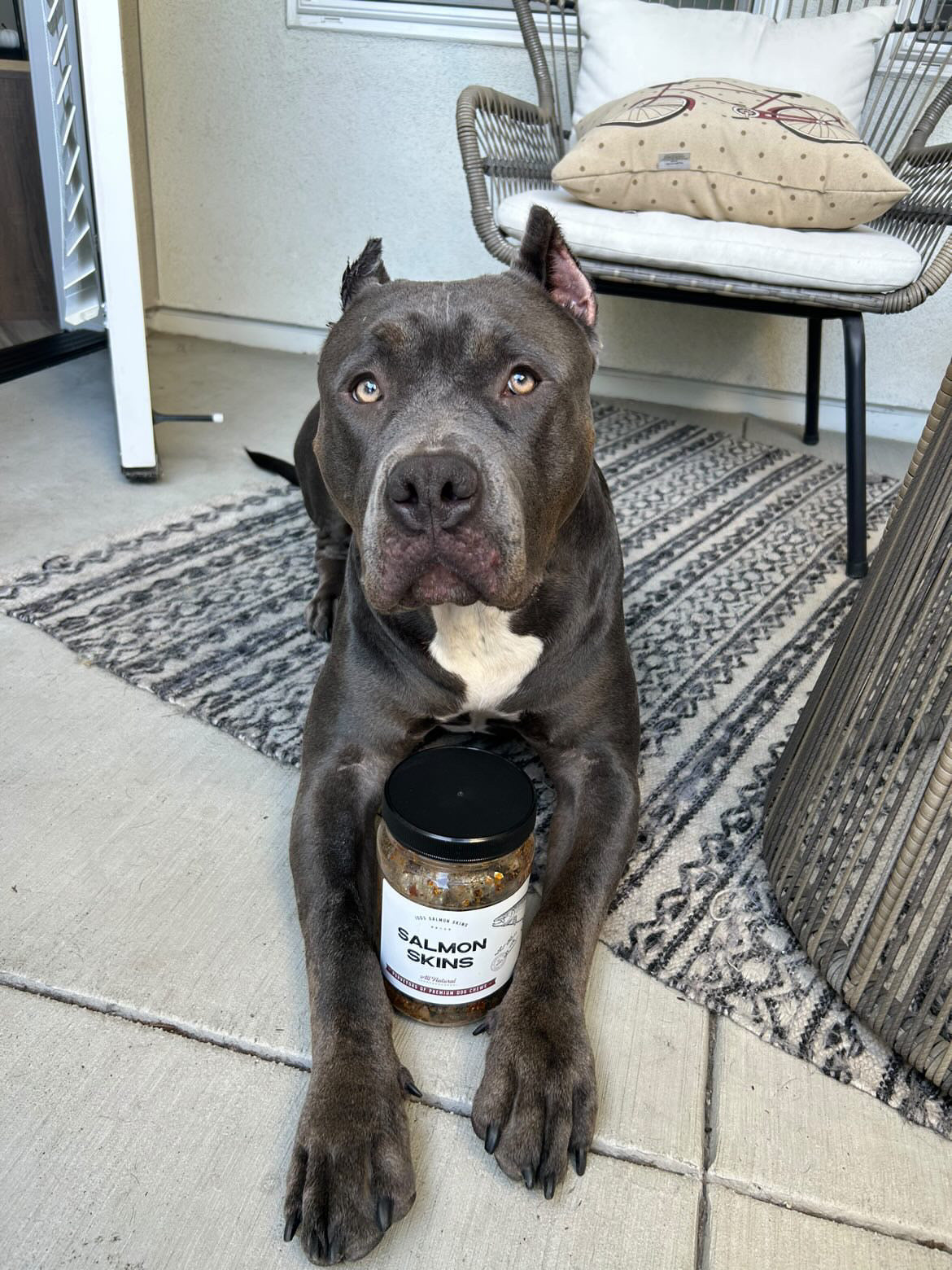
We rotate our single-ingredient offerings seasonally based on what we can source responsibly. Right now, our lineup includes freeze-dried chicken necks, beef hearts, salmon, turkey, and organ meats like liver and kidney. Each one is named. Each one is traceable.
Pick one ingredient your dog loves, and start there. Single-ingredient treats eliminate the guessing game about which component triggered a reaction.
Air-Dried and Freeze-Dried Options That Preserve Maximum Nutrition
Air-drying and freeze-drying are ancient preservation methods that modern science now validates. Both remove moisture without applying high heat, so nutrients stay intact.
Air-drying takes longer (which costs us more) but creates a chewier texture many dogs prefer. Freeze-drying works faster and creates a crunchier treat. Both methods preserve the original protein structure and amino acid profiles that your sensitive dog's body recognizes as real food.
The difference between these methods and traditional kibbling is significant. Kibble requires extrusion at high temperatures, which denatures proteins and destroys heat-sensitive nutrients. Our air-dried treats for sensitive dogs preserve what nature put into the ingredient.
Try both methods with your dog and observe which one their digestive system handles best. Some sensitive dogs do better with the chewier air-dried option; others prefer the crunch of freeze-dried.
Sustainably Raised Proteins: Where Our Ingredients Come From

"Sustainably raised" isn't marketing speak in our supply chain; it's a requirement. Cattle raised on pasture with rotational grazing produce healthier meat. Chickens raised with outdoor access and proper feed develop stronger muscles and better nutrient profiles. Fish sourced from wild populations or responsible farms contain the omega-3 fatty acids that truly support joint and skin health.
We trace our beef back to specific ranches in Texas. Our chicken comes from farms where we know the flock size and feed composition. When we source salmon, we work with suppliers who can prove sustainable fishing or responsible aquaculture practices.
This transparency costs more than buying commodity protein from a broker. We pass those costs to you because your sensitive dog's health depends on it. You're not just getting protein; you're getting protein from animals raised with care.
Ask your current treat manufacturer where their meat comes from. If they can't answer with a farm name or region, that's your signal to look elsewhere.
Why Transparent Labeling Matters for Your Dog's Health
A label should tell you everything without forcing you to decode vague phrases. "Chicken meal" could mean anything. "Chicken" means just that. "By-products" hides what actually made it into your dog's treat.
We practice radical transparency in pet food because your dog deserves it. Our labels list the source (sustainably raised Texas beef), the processing method (air-dried), and nothing else. No ingredient percentages to calculate, no hidden components.
Transparent labeling also means you can spot patterns. If your dog reacts to our beef treat, you'll immediately know it's the beef and not a mystery filler or preservative. This clarity actually helps you identify what your sensitive dog tolerates.
Before buying any treat, read the ingredient list out loud. If you stumble over a term, that's a signal to skip it.
Switching Your Sensitive Dog to Better Treats: What to Expect
Switching too quickly to real food can cause temporary digestive adjustment. Your dog's gut bacteria are adapted to processing fillers and by-products. Real, minimally processed treats require different enzymes and beneficial bacteria.
Start by replacing 25% of old treats with our new ones for 3-5 days. Move to 50% over the next week. By day 10-14, you can transition fully if your dog shows no digestive upset. Some sensitive dogs need even slower transitions, and that's okay.
You might notice loose stools, mild gas, or temporary decrease in appetite during adjustment. These usually resolve within 7-10 days as your dog's gut rebalances. If symptoms persist beyond two weeks, back off and transition even more slowly.
The payoff arrives around week three: shinier coat, cleaner breath, fewer scratching episodes, and actual enthusiasm at treat time. Your dog's body recognizes real food and responds accordingly.
Our Award-Winning Approach to Premium Pet Nutrition

We've earned Blue Ribbon recognition and industry awards not because we claim to be the best, but because sensitive dogs prove it with their health outcomes. Our customers don't choose us because of marketing; they choose us because their dog's skin stopped flaking, their digestion steadied, and their energy improved.
Awards validate our approach, but the real recognition comes when an owner tells us their sensitive dog finally has a treat they can safely enjoy. That's why we remain committed to handcrafting in Texas and sourcing USA-based ingredients.
Our award-winning standard means every batch meets the same rigorous criteria: named ingredients, sustainable sourcing, minimal processing, and zero artificial additions. We don't cut corners when margins tighten because our reputation rests on your dog's health.
Making the Switch: How to Introduce Our Treats to Your Sensitive Pup
Start with a single-ingredient treat your dog has never had before. Pick something simple: maybe our freeze-dried chicken hearts if your dog usually eats beef, or our salmon if poultry has been their go-to. This helps you isolate what their body tolerates.
Offer a small piece (roughly the size of a marble for smaller dogs, a grape for larger ones) once daily for 2-3 days while watching for any reaction. Gradually increase the amount if your dog shows zero digestive upset.
Once you've confirmed one single-ingredient treat works well, you can safely introduce another. Build a rotation of 2-3 options so your dog gets variety without overwhelming their system. Most sensitive dogs thrive on a consistent, limited ingredient diet, so variety can actually work against them—keep your rotation simple.
Order a small pack first to test-drive our treats with your specific dog. We offer free shipping on orders over $55, and most sensitive dogs respond positively within their first week. Your goal isn't just a better snack; it's giving your furry family member food their body actually recognizes as nourishment.
Reach out to us today; if you may have an interest to discuss further.
Frequently Asked Questions (FAQ)
Why do we use single-ingredient treats when other brands blend multiple components?
We believe your dog's digestive system thrives on simplicity, especially if they have a sensitive stomach. When we craft our treats with just one ingredient like grass-fed beef or wild-caught fish, we eliminate the guesswork and potential irritants that come from complex recipes. This transparency also makes it easier for you to identify exactly what's working for your pet's unique needs.
How long does it take to see improvements when switching to our minimally processed treats?
Most pet parents notice positive changes within 1-2 weeks, though every dog is different. We've found that switching gradually from heavily processed snacks to our air-dried and freeze-dried options allows your pup's digestive system to adjust smoothly. If you don't see improvement after a month, we'd love to help you find the right product since we stand behind the quality of everything we make in Texas.
What makes our handmade treats different from "natural" treats sold at big pet retailers?
We control every step of our process from sourcing sustainably raised proteins to the final freeze-drying in our Texas facility, which means no artificial fillers, seed oils, or mystery ingredients ever make it into our treats. Most mass-market brands prioritize shelf stability and cost over your dog's actual nutrition, while we prioritize what's genuinely best for your pet's health.